

On March 17, 2026, the United States District Court for the Southern District of New York held
that Sol de Janiero’s (“SDJ”) packaging for a beauty cream product was functional and therefore not entitled to trade dress protection under the Lanham Act. As a result, the court granted summary judgment in favor of Apollo Healthcare Corp. (“Apollo”) and dismissed SDJ’s trade
dress infringement counterclaim.
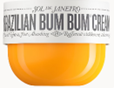
This case concerns a dispute over alleged trade dress infringement involving the packaging of SDJ’s “Brazilian Bum Bum Cream.” SDJ developed and marketed its body cream packaged in an
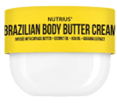
allegedly distinctive jar that consisted of four elements allegedly designed purely for aesthetics: a rounded bottom, an oversized lid, a yellow-and-white color scheme, and stylized lettering. Costco, which was interested in having SDJ’s body cream product sold at Costco warehouses, initially reached out to SDJ regarding the proposition but SDJ did not respond. Costco then reached out to Apollo to create a comparable item to SDJ’s product and packaging. Apollo agreed, creating a similar body cream product with packaging that had several functions, namely, that it signified that the product contains shea butter as an ingredient, increased the visibility in Costco’s dimly lit warehouses; and denoted an “almond/butter/coconut fragrance.” The packaging also had the product name printed on the lid in black, capitalized letters. When SDJ discovered Apollo’s product, SDJ sent a cease and desist letter to Apollo. In response, Apollo filed a declaratory judgment action, contending that the cream packaging was not protectable trade dress because the features were functional and widely available in the marketplace.
During litigation, the parties engaged in motions for summary judgment. Initially, the court found factual disputes regarding functionality, but newly discovered evidence that SDJ applied for trademark protection on the jar but was refused for functionality reasons. SDJ had either not responded to or was in
the process of appealing a final refusal for functionality. This new information convinced the court to require additional briefing on functionality. Upon renewed analysis, the court found summary judgment in favor of Apollo, concluding that each element of the packaging (shape, lid, color scheme, and labeling) served utilitarian or informational purposes. The court noted that the body and lid of the jar facilitated easy user access and improved handling and sealing, the body and lid of the Bum Bum Jar were derived from style elements that SDJ found in the public domain, the color scheme conveyed product attributes such as scent and function and improves the quality of the container, and the text layout enhanced readability. The court further held that the combination of these elements did not create a nonfunctional overall design, leading to the final ruling that SDJ’s trade dress was functional and unenforceable.
The significance of this case lies in its reaffirmation of the functionality doctrine in trade dress law
and emphasis that aesthetic intent does not override objective functionality. It underscores that even visually distinctive product designs cannot be protected if they serve practical purposes or improve product performance. The decision also highlights the evidentiary weight courts may give to USPTO determinations and therefore applications or actions taken at the USPTO should be considered when enforcing various rights.